


MOP Granular
Ideal source of potash for all chloride-tolerant crops and soil types in granular form
Product date sheets, pdf
Contact us
Ideal source of potash for all chloride-tolerant crops and soil types in granular form
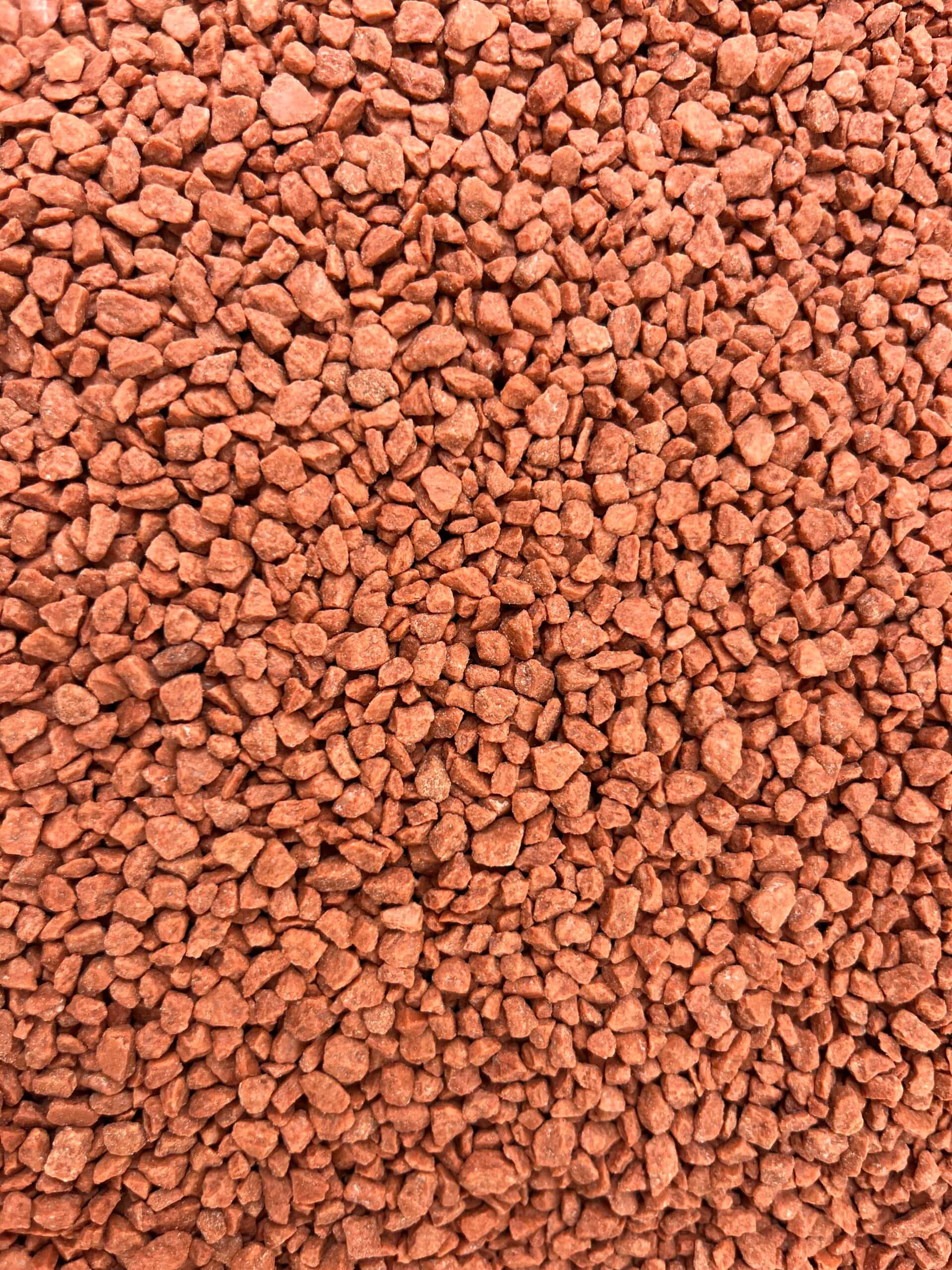
Muriate of Potash is a common type of potassium fertilizer that contains potassium chloride as its primary ingredient. Potassium is an essential nutrient for plants, playing a crucial role in various physiological processes, including photosynthesis, enzyme activation, and water regulation.
MOP can be applied to soil directly or as part of NPK blends.
MOP is not highly water-soluble, which means that its potassium content is released gradually in the soil as the granules dissolve over time. This slow-release characteristic can contribute to a sustained supply of potassium to plants.
MOP Benefit: Coffee plants can benefit from potassium for optimal fruit development. Potassium is involved in various physiological processes, including the development of coffee cherries.
MOP Benefit: Potassium is crucial for the development of banana bunches. Potassium contributes to the quality and size of bananas.
MOP Benefit: Potatoes have a high potassium demand, especially during tuber development. Potassium contributes to tuber size, quality, and storage characteristics.
MOP can also benefit:
*It’s important to note that while potassium is essential for many crops, the specific potassium needs can vary between crops and even within different varieties of the same crop. Additionally, soil testing is a valuable tool to determine the nutrient status of the soil and guide fertilizer application rates for optimal crop nutrition.
| Pink Granular MOP 60% K2O | |
| Appearance | Granules, irregular in shape, color varies from pink to red-brown color |
| Potassium chloride, min, % | 95 |
| Water-soluble potassium oxide (on K2O basis), min, % | 60 |
| Sodium chloride, % | 3.1 |
| Magnesium (Mg), % | 0.01 |
| Calcium (Ca), % | 0.16 |
| Moisture content, max, % | 0.5 |
| Granulometric composition | |
| over 4 mm, max, % | 10 |
| under 2 mm, max, % | 10 |
| Under 1 mm, max, % | 2 |